
Education
What is CBG in Weed? A Deep Dive into Cannabigerol and Its Benefits
Dec
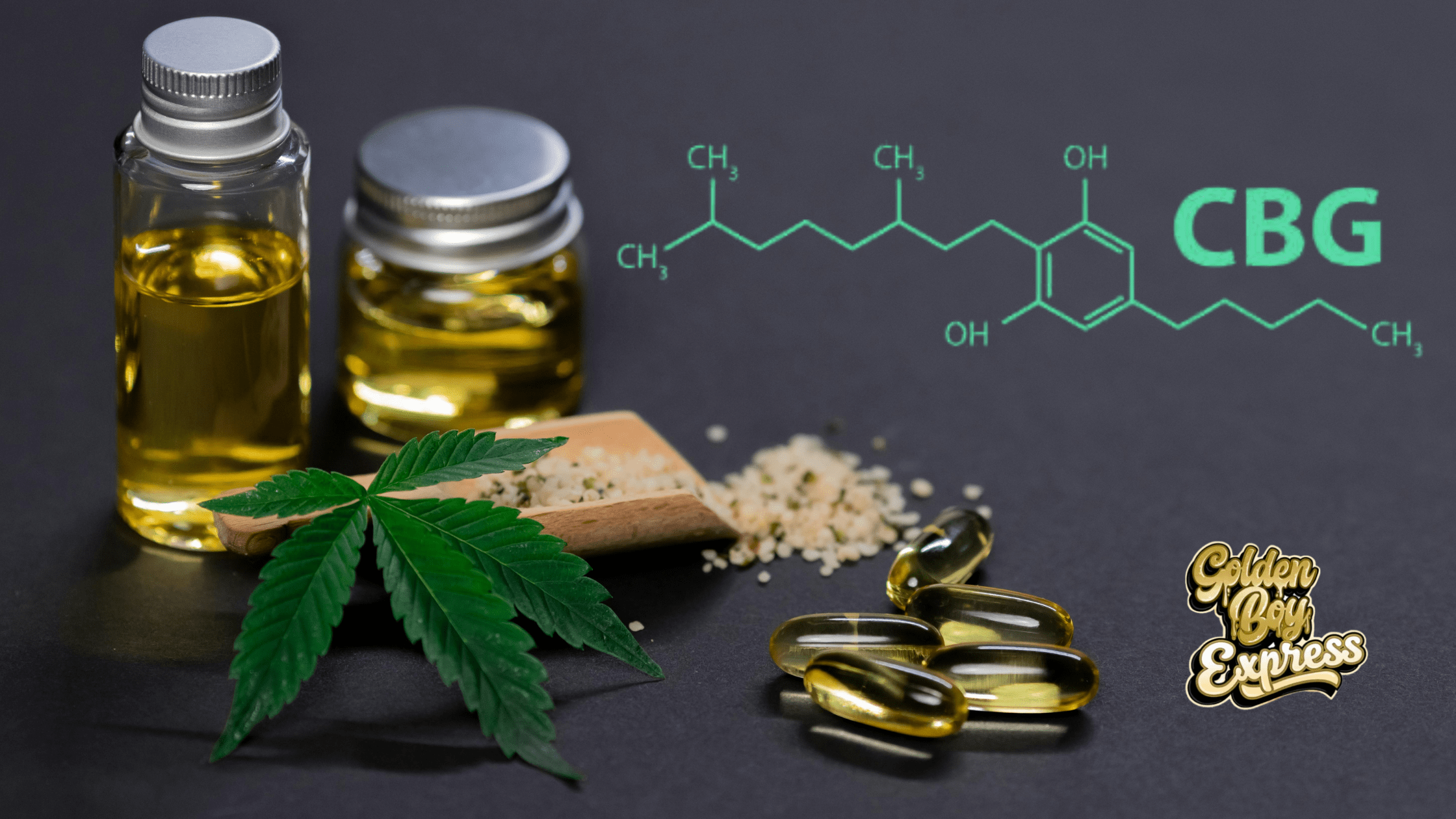
Cannabis contains more than 100 naturally occurring compounds known as cannabinoids. While THC and CBD are the most well-known, there’s growing interest in another lesser-known compound: cannabigerol, or CBG. Often referred to as the “mother of all cannabinoids,” CBG plays a critical role in the development of other major cannabinoids and is gaining attention for its potential therapeutic effects. On edibles’ labels, you may start to see “CBG” pop up more often than not.
This article explores what CBG is, its interactions with the body, potential health benefits, comparison to CBN (cannabinol) and CBD, and current research findings on this emerging compound.
What Is CBG?
CBG stands for cannabigerol, a non-psychoactive cannabinoid found in trace amounts in most cannabis strains. It is considered a precursor cannabinoid, meaning it helps form other cannabinoids like THC (tetrahydrocannabinol), CBD (cannabidiol), and CBC (cannabichromene) during the plant’s maturation process. The highest concentration of CBG is found in young plants, making it difficult to obtain.
CBG is synthesized in the cannabis plant from CBGA (cannabigerolic acid). As the plant grows and is exposed to light and heat, CBGA converts into THCA, CBDA, and CBCA, which then become THC, CBD, and CBC when decarboxylated (heated).
- THCA synthase → THCA (which becomes THC)
- CBDA synthase → CBDA (which becomes CBD)
- CBCA synthase → CBCA (which becomes CBC)
Because much of the CBGA is used to produce other cannabinoids, only around 1% of CBG is retained in fully matured plants. As a result, some cannabis cultivators have started breeding CBG-dominant strains to increase availability. According to some cannabis breeding forums, cultivators predict that “CBG will become all the rage soon”, due to more awareness of the cannabinoid’s potential health benefits– from treating glaucoma to preventing viral/bacterial infections. CBG is often marketed as an “uplifting, energizing” component, whereas CBN is marketed as a sleep aid.
How Does CBG Work?
CBG interacts with the endocannabinoid system (ECS), a complex cell-signaling system that regulates various physiological processes, including mood, appetite, pain sensation, sleep, and immune response. It mimics the endocannabinoids that your body naturally produces.
The ECS is made up of endocannabinoids, enzymes, and receptors—primarily CB1 and CB2 receptors:
- CB1 receptors are found mostly in the brain and central nervous system.
- CB2 receptors are located in the immune system and peripheral tissues.
CBG is known to bind directly to both CB1 and CB2 receptors, potentially strengthening the function of anandamide, aka “the bliss neurotransmitter”, a naturally occurring endocannabinoid involved in pain, mood, and sleep. CBG may potentially improve pain, elevate mood, and promote restful sleep. Unlike THC, CBG is non-psychoactive and will not elicit a “high” response that’s often associated with weed.
Potential Benefits of CBG
While research is still in the early stages, preclinical studies suggest that CBG may offer a range of therapeutic benefits:
1. Anti-inflammatory Properties
CBG has shown promise in reducing inflammation, particularly in the gut. A 2013 study published in Biochemical Pharmacology found that CBG reduced inflammation in mice with colitis, suggesting potential relief for inflammatory bowel diseases (IBD) like Crohn’s disease and ulcerative colitis.
2. Antibacterial Effects
CBG may have powerful antibacterial properties. Farha et al. (2020) stated in a 2020 study that “CBG was active against drug-resistant clinical isolates, suggesting therapeutic potential” for MRSA (methicillin-resistant Staphylococcus aureus), an antibiotic-resistant bacterium.
3. Neuroprotective Potential
CBG may support brain health and protect against neurodegeneration. A 2015 study in Neurotherapeutics indicated that CBG could be beneficial in treating Huntington’s disease due to its ability to preserve neurons. In their experiment, Valdeolivas et al. found that “CBG treatment preserved neurons against toxicity and improved motor deficits.”
4. Appetite Stimulation
In contrast to CBD, which can suppress appetite, CBG may increase it. A 2016 study in Psychopharmacology showed that CBG induced a significant increase in appetite in pre-satiated rats without psychoactive effects. Appetite stimulation can be useful for elderly patients and cancer patients.
5. Glaucoma Management
CBG may reduce intraocular pressure, which can help patients with glaucoma. This was shown in a study as early as 1990, suggesting its potential use alongside or as an alternative to THC in glaucoma treatment.
6. Bladder Dysfunction
CBG has also been investigated for its role in relieving bladder contractions. Pagano et al. found in a 2015 study that “CBG was the most potent inhibitor of bladder contractions among the cannabinoids tested.”
7 . Chronic Pain Relief
CBG may help manage chronic pain, especially when used in combination with other cannabinoids. A 2021 survey-based study published in Cannabis and Cannabinoid Research examined patient-reported outcomes for CBG-predominant cannabis use.
The authors reported that:
“CBG-predominant cannabis was most frequently used for chronic pain, anxiety, and insomnia, with the majority of respondents reporting very or extremely effective symptom relief.”
(Cornett et al., 2021 — Cannabis Cannabinoid Res.)
While more controlled clinical trials are needed, these results suggest CBG may have real-world applications in pain management, particularly for individuals seeking non-intoxicating alternatives to THC or opioids.
CBG vs CBN: What’s the Difference?
While both CBG and CBN are minor cannabinoids with therapeutic potential, they differ in origin, chemical structure, effects, and current research status.
Origin and Formation
- CBG is a primary cannabinoid precursor formed early in the cannabis plant’s lifecycle. It develops from CBGA and is used to form THC, CBD, and CBC.
- CBN (Cannabinol), on the other hand, is formed after THC degrades over time due to exposure to heat, air, and light. It’s more abundant in older or improperly stored cannabis.
Psychoactivity
- CBG is non-psychoactive and does not produce a high.
- CBN is mildly psychoactive, though far less than THC. Some users report mild sedative effects.
Effects and Benefits
- CBG is linked to anti-inflammatory, antibacterial, neuroprotective, and appetite-stimulating effects.
- CBN is often associated with sleep support, pain relief, and muscle relaxation, though scientific evidence remains limited.
Availability
- CBG is becoming more available through CBG-dominant strains.
- CBN is often extracted from aged cannabis or synthesized from THC.
CBN vs CBG: Which One Should You Use?
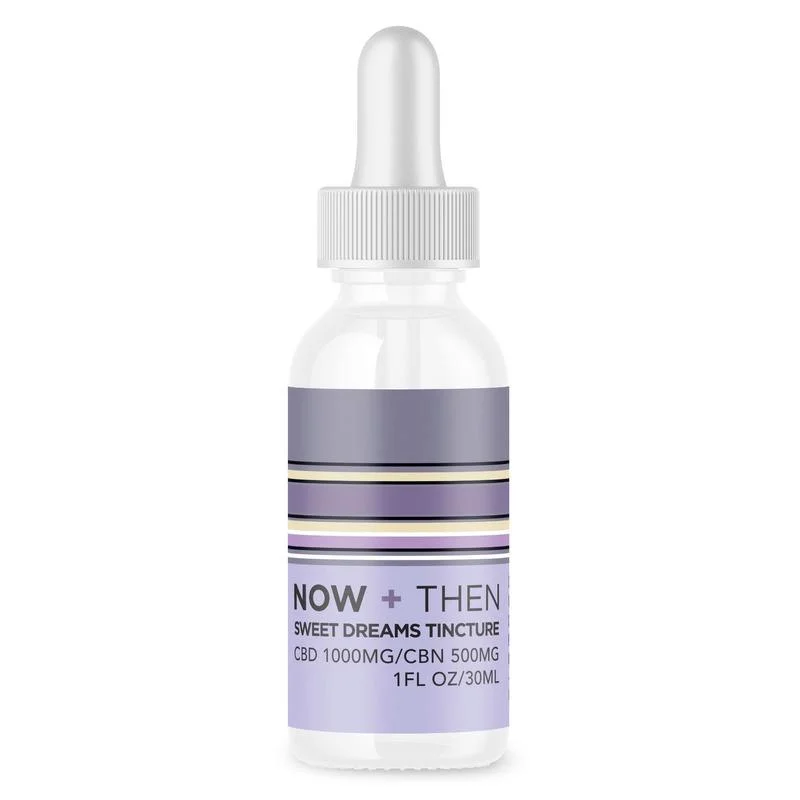
Choosing between CBN vs CBG depends on your specific needs and desired effects.
- If you’re looking for support with inflammation, neuroprotection, or appetite stimulation, CBG may be a better option.
- If your goal is to improve sleep, relax, or manage mild pain, CBN might be more appropriate. CBN is often used to promote relaxation for evening support.It’s also worth noting that these cannabinoids may work better when used together with other cannabinoids, a phenomenon known as the entourage effect, which suggests that cannabis compounds can be more effective in combination than in isolation.
CBG vs CBD: Key Differences at a Glance
CBG (cannabigerol) and CBD (cannabidiol) are both non-intoxicating cannabinoids, but they differ in how they’re produced, how they interact with the body, and what they may be useful for.
CBG is the chemical precursor to CBD, THC, and other cannabinoids. It binds directly to CB1 and CB2 receptors, potentially offering more direct effects on inflammation, pain, and appetite. Early research suggests it may be helpful for conditions like colitis, glaucoma, neurodegeneration, and bacterial infections. However, mature plants only contain 1% CBG, which is far less abundant than CBD.
CBD, meanwhile, is more abundant in cannabis plants and is widely used for anxiety, pain, sleep, and seizure disorders. It interacts indirectly with the endocannabinoid system and is already supported by clinical research and pharmaceutical approval in some areas.
While CBD is more affordable and widely available, CBG may offer unique benefits, especially in conjunction with other cannabinoids in full-spectrum formulas.
CBG-Rich Products

CBG is still relatively rare in the market, but it’s becoming more accessible. Some available product types include:
- CBG flower: Hemp or cannabis strains bred to express higher CBG content
- CBG oils or tinctures: Extracts standardized for high CBG concentration
- CBG isolate: Pure cannabigerol extract, often used in formulations
- CBG edibles: Often, in conjunction with other cannabinoids, will be expressed as a percentage.
- CBG topicals: Creams and salves that may offer localized anti-inflammatory benefits
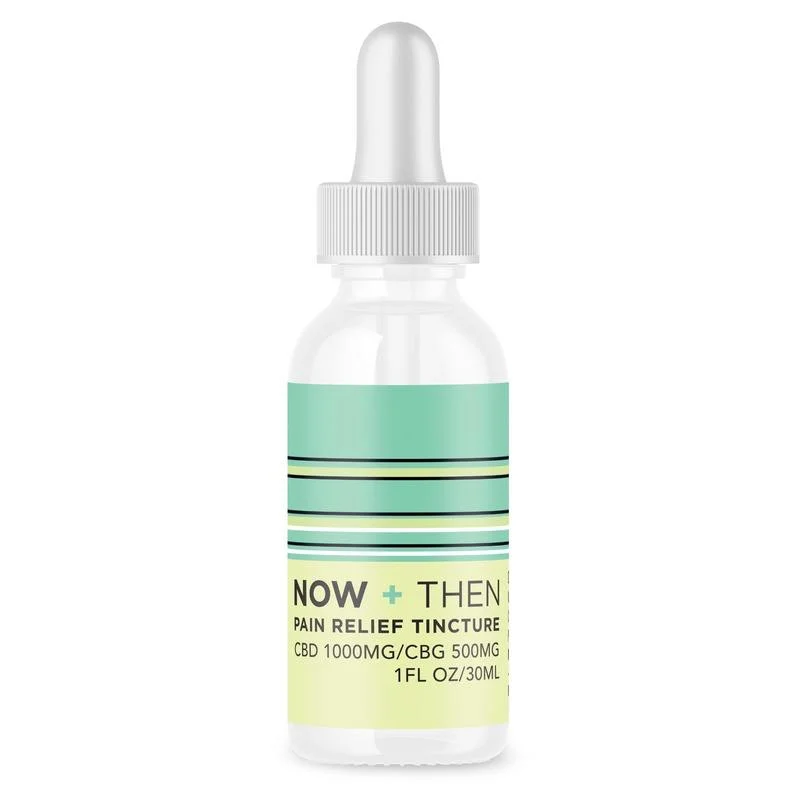
The most common source of CBG is found in weed flower and oil. CBG oil is extremely rare and hard to produce; therefore, most use broad spectrum formula, which includes all the cannabinoids, and often added terpenes, which gives it a pronounced “weed” flavor. Edibles, such as gummies, candies, capsules, and chocolates, often list CBG in milligrams, as a percentage relative to other cannabinoids or ratio. Now + Then carries a CBD/CBG tincture that is 2:1 CBD/CBG (1000mg CBD/500mg CBG).
CBG in Full-Spectrum and Broad-Spectrum Formulas
Most full-spectrum and broad-spectrum CBD oils contain small amounts of CBG. Full-spectrum products include all cannabinoids, including trace amounts of THC, while broad-spectrum versions remove THC entirely but retain other compounds like CBG and CBN.
If you’re using CBD for wellness and want to amplify its effects, choosing a formula that includes CBG may offer more therapeutic value.
CBG Dosage: How Much Should You Take?

As research is preliminary, there is no one-size-fits-all dosage for CBG, but most users find success by starting with a low dose and adjusting slowly. Like CBD, CBG affects people differently depending on body chemistry, the condition being treated, and whether it’s used alone or in tandem with other cannabinoids.
Factors That Influence CBG Dosage
- Body weight and individual metabolism
- Product type (oil, capsule, edible, topical)
- Reason for use (e.g., inflammation, anxiety, appetite stimulation)
- CBG concentration (mg per serving)
- Whether it’s used with other cannabinoids like CBD or THC
General Starting Guidelines
Here are general dosage ranges based on user intent:
- 5–10 mg/day: general wellness, mild mental focus
- 15–30 mg/day: inflammation, mild to moderate discomfort
- 30–50+ mg/day: chronic conditions, digestive issues, or persistent pain
It’s recommended to start at the low end and increase slowly every few days until the desired effects are achieved.
CBG + CBD Ratio Guide
CBG is often paired with CBD to enhance overall therapeutic effects, especially since both cannabinoids are non-intoxicating and work well together via the entourage effect.
Here’s a breakdown of popular CBG to CBD ratios and what they may be best suited for:
| CBG: CBD Ratio | Use Case / Benefit |
| 1:1 | Often used for novices to promote general wellness, anti-inflammatory effects, or mild pain relief. |
| 1:2 or 1:3 | May work well for individuals primarily seeking anxiety relief, additional pain support, or digestive balance. |
| 2:1 | May best support appetite stimulation and digestive issues due to the higher concentration of CBG. |
Timing Tips
- Morning or midday: for energy, appetite, or mental clarity
- Evening: for inflammatory pain or as part of a wind-down routine
- With food: may improve absorption and duration of effects
Always monitor your body’s response and speak with a healthcare provider if you have any underlying conditions or are taking medications. While CBG appears to be well-tolerated, research is not conclusive.
Is CBG Safe?
Current research suggests that CBG is well-tolerated and exhibits a favorable safety profile in animal studies. However, there are no large-scale clinical trials yet in humans. As with any supplement, it’s best to consult a healthcare professional before beginning regular use, especially if you are on other medications.
The Future of CBG Research
With the widespread use and legalization of cannabis in many countries, more attention is being given to minor cannabinoids like CBG. With the development of CBG-dominant strains and growing consumer interest, we can expect more clinical trials and therapeutic applications to emerge in the coming years.
Because CBG may be able to support multiple biological systems, including the immune, nervous, and digestive systems, it is poised to become a valuable part of the next generation of cannabis-based wellness products.
Final Thoughts
CBG is an exciting and powerful cannabinoid that holds promise for a variety of therapeutic uses. From reducing inflammation and fighting bacteria to supporting brain health and appetite, this non-intoxicating compound is rapidly gaining ground in both scientific research and consumer demand.
While more human studies are needed, early research paints a promising picture. Whether used alone or as part of a full-spectrum product, CBG offers a unique set of benefits that complement and extend beyond those of CBD and THC.
If you’re curious about adding CBG to your wellness routine, look for high-quality, lab-tested products and pay attention to how your body responds. As with all cannabinoids, personal experience and dosage may vary.
References
-
https://www.ncbi.nlm.nih.gov/pmc/articles/PMC4604171/ – Borrelli et al. (2013). Cannabigerol as a potential treatment for inflammatory bowel disease.
-
https://pubs.acs.org/doi/10.1021/acsinfecdis.9b00346 – Farha et al. (2020). Antibacterial activity of cannabigerol against MRSA.
-
https://pubmed.ncbi.nlm.nih.gov/25252936/ – Valdeolivas et al. (2015). Neuroprotective effects of CBG in Huntington’s disease models.
-
https://pubmed.ncbi.nlm.nih.gov/26836472/ – Brierley et al. (2016). Cannabigerol-induced appetite stimulation in pre-satiated rats.
-
https://pubmed.ncbi.nlm.nih.gov/1965379/ – Colasanti et al. (1990). Cannabigerol and intraocular pressure.
-
https://www.frontiersin.org/articles/10.3389/fphar.2015.00122/full – Pagano et al. (2015). Effects of cannabinoids on bladder function.

Pingback: What Is The Entourage Effect? – Golden Boy Express